
Wedding Planning – Who Does What? A Guide for Australian Couples
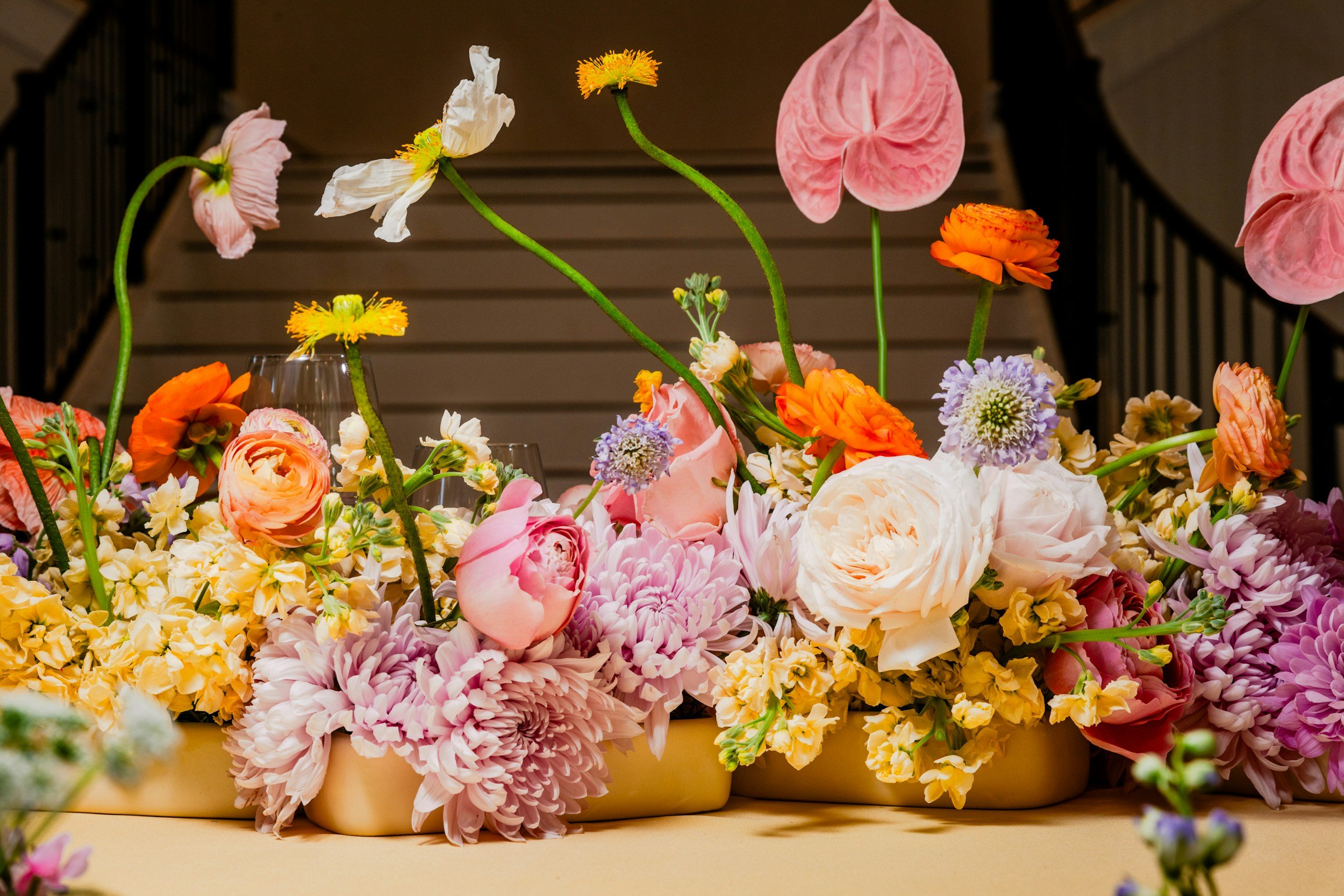
One of the biggest sources of wedding stress is not budgets or guest lists or timelines. It is the uncertainty about who is supposed to do what.
Couples often tell me they feel overwhelmed because they do not know which responsibilities fall to them, which fall to their vendors and which a planner or coordinator should take off their plate completely!
If you have ever thought:
Who actually handles this?
Am I supposed to organise that?
Is this the venue or the florist?
What does my planner do vs my coordinator?
You are not alone!
This guide breaks down the roles and responsibilities involved in a modern Australian wedding so you can understand exactly who does what, when and why. It is designed to clear the fog, reduce stress and help you make confident decisions about what support you need.
Let’s make wedding planning feel simple.
Why Defining Roles Matters
When everyone knows their role, your wedding planning becomes calmer, more structured and far more enjoyable.
Clear roles mean:
Fewer things slip through the cracks
Less duplication of tasks
Less pressure on you as the couple
Smoother communication with vendors
A more seamless wedding day
Many of the couples I work with initially feel overwhelmed because they are juggling tasks that could be delegated or handled by a professional. Understanding the division of responsibility is the first step to a stress-free planning process.
The Couple’s Role – What You Truly Need to Own
As the couple, your role is to make the decisions that speak to your vision and values, not to manage every logistic detail.
You are responsible for:
1. Choosing your vision
Your colours, your style, your venue type and the overall feeling you want guests to experience. Not the specific styling logistics – just the direction.
2. Setting the overall budget
This includes determining who is contributing and what your financial comfort zone looks like. From there, your wedding planner will set a full budget breakdown, taking into account your priorities, what vendors charge and how much of a buffer to add to protect you from unexpected costs!
3. Guest list decisions
Creating the list, deciding on plus ones and determining your invite strategy is an important consideration for couples and not one that can be outsourced to vendors or planners. Remember, no one knows your guests like you do!
4. Final approvals
You make the decisions – your planner actions them. It’s important to make sure you’re confirming decisions in writing where possible!
5. Personal elements
Writing vows, buying outfits, signing marriage paperwork (with the guidance of your celebrant) and planning the events leading up to the wedding (hello, hens!).
Everything else can be delegated.
What a Wedding Planner Does – Your Expert Project Manager and Creative Partner
A professional planner handles the majority of tasks that cause stress and confusion. At Hitch Perfect, my planning support covers (but is not limited to):
1. Vendor sourcing and management
I research, shortlist and liaise with vendors who match your budget, style and needs. I negotiate quotes, handle emails and coordinate contracts and payments so you do not have to!
2. Timeline creation
A personalised, hour by hour (often minute by minute) timeline for your entire wedding journey – from initial planning to the last dance.
3. Design and styling
Your planner creates mood boards, colour palettes, visual direction, layout suggestions, floral concepts and styling recommendations that align with your vision and brings them to life for your big day.
4. Logistics
Transport, bump in and bump out schedules, floor plans, access times, hire management, weather plans and contingency strategies - to name a few.
5. Budget tracking
Keeping spending aligned with your goals and ensuring nothing unexpected sneaks up.
6. Seamless communication
Your planner is the point of contact for vendors so you can step back from endless email chains!
7. Problem solving
If something goes wrong, your planner has already created a back up plan and a back up for the back up!
When couples work with a planner, they usually report a dramatic drop in stress and decision fatigue.
What a Wedding Coordinator Does – Execution, Not Planning
On the day coordination is ideal for couples who are happy to plan but need a professional to run the wedding itself.
A coordinator will:
Manage your timeline on the day
Liaise with all vendors in the final weeks
Oversee set up based on your instructions
Cue your ceremony entrances
Manage speeches
Handle run sheet changes
Solve problems quietly so you never know they happened
Keep the celebration flowing smoothly
Coordinators do not source vendors, create design concepts or manage planning logistics. They step in 4 to 6 weeks before your wedding to bring your plans to life.
Venue Responsibilities – What Your Venue Usually Handles
Every venue is different, but most Australian inclusive venues manage:
1. Food and beverage service
Menus, dietary requirements, bar staffing and service timings.
2. Basic furniture
Tables, chairs and in many cases ceremony seating.
3. Setup of in house items
The items that belong to the venue, not hired décor, such as table linen.
4. Venue staffing
Event supervisors or coordinators who oversee their internal operations.
Important note:
A venue coordinator is not a wedding planner. Their responsibility is to the venue’s operations – not the full coordination of your vendors or timeline.
Vendor Responsibilities – Who Does What?
Here is a clear breakdown of the most common vendor roles.
Celebrant
Lodges marriage paperwork (such as the NOIM)
Runs your ceremony
Guides your rehearsal (if included)
Assists with vows if needed
Photographer
Captures all key moments
Manages shot lists
Directs group photos
Works to your timeline
Works alongside your videographer
Videographer
Captures the visual narrative
Works alongside your photographer
Edits and delivers your final film(s)
Florist
Designs, creates and installs all florals
Manages delivery and set up (and relocation, if required)
Coordinates with the venue and planner regarding placement
Hair and Makeup Artists
Create your beauty schedule
Advise on trial looks and day of timings
Makes you look perfect for your big day
Musicians or DJ
Manage ceremony, cocktail hour and reception music
Handle AV requirements
Liaise on playlists and formalities such as entrances and first dance
MC duties (if contracted)
Catering (external)
Provides food service if not included with the venue
Coordinates staff, setup and pack down
Hire Companies
Deliver, install and collect furniture, lighting, decor and props as managed by the planner
How These Roles Work Together
A well run wedding is like choreography. Each vendor has their part, but a planner or coordinator is the one directing the performance so everything flows seamlessly.
When I work with couples, my job is to:
Guide you on what decisions you need to make
Make all the calls you should never have to deal with
Keep every vendor aligned with your vision
Ensure you never feel uncertain about who does what
This clarity is what creates calm, confident couples and stress free wedding days.
How to Decide What Support You Need
Every couple is different, but here is a simple rule of thumb:
Choose a wedding planner if you:
Are time poor
Have a complex or high detail wedding
Want personalised design and styling
Do not want to spend months handling logistics
Want every detail expertly managed for you
Choose an on the day coordinator if you:
Love planning
Have already sourced your vendors
Need someone to run the day so you can relax
Want a professional buffer so no guest steps into the organiser role
Final Thoughts
Understanding who does what in your wedding team is the key to a calm and joyful lead up. You deserve a planning experience that feels supportive, intentional and peaceful, not confusing or overwhelming. When everyone is clear on their role, your wedding unfolds with ease and your energy stays where it should be – celebrating, feeling present and enjoying every moment.
If you would like support planning your day or simply want clarity around which service suits you best, I am always here to guide you. Let us create a wedding experience that feels effortless and beautifully you. Let’s chat!