
How long does wedding planning take? A clear guide for Australian couples
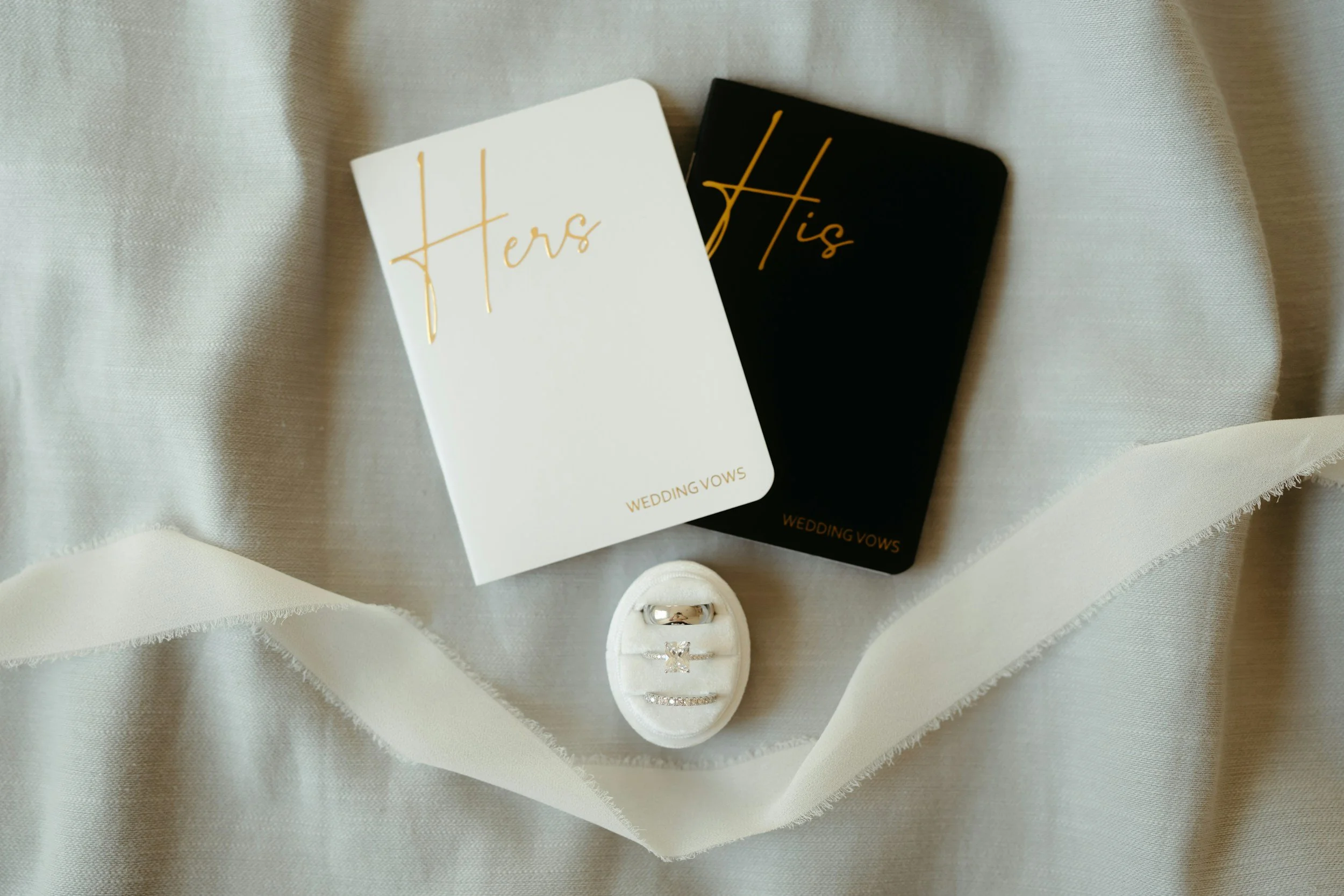
Planning a wedding is exciting, emotional, fun and, at times, overwhelming. One of the most common questions couples ask right at the beginning is: how long does wedding planning actually take?
If you are newly engaged and Googling timelines, averages and checklists, you are definitely not alone. The truth is that there is no single timeframe that suits every wedding, but there are realistic planning windows depending on your priorities, your guest count and the level of detail you want to achieve.
Below, I will unpack realistic timelines for Australian weddings, what tasks take the most time and where a planner can streamline your journey.
This guide is grounded in real experience, practical logistics and expert insight from the planning side of the aisle.
Average wedding planning timelines in Australia
In Australia, the current trend for full wedding planning is:
• 12 to 18 months for most weddings
• 6 to 9 months for smaller or flexible weddings
• 3 months or less for elopements and micro weddings
Why this range? It comes down to venue availability, supplier bookings, design development and the pacing that allows couples to enjoy the process rather than race through it.
If you are planning a wedding in high demand regions like Brisbane, the Gold Coast, Sunshine Coast or Scenic Rim, booking earlier gives you more choice, smoother logistics and often better pricing.
Why wedding planning takes this long
1. Venue availability
Some venues book out two years in advance, especially if you want a Saturday in peak season. Securing your venue early is the anchor that shapes everything else.
2. Supplier calendars
Photographers, florists, musicians and planners often have limited capacity. Booking your preferred team early protects your vision and avoids compromise.
3. Design and styling decisions
A cohesive aesthetic takes time to refine. Many couples change their mind along the way, or discover new ideas as their day evolves.
4. Budget planning
Clear financial decisions help avoid stress and allow room for adjustments as quotes come in.
5. Personal lives
Careers, family, relocating, parenting, travel and daily life do not stop just because you are engaged. Planning should support your lifestyle, not overwhelm it.
Wedding planning milestones by month
Here is a general guide to what a 12 month planning window actually looks like in action:
12 months out
• Confirm guest numbers and budget
• Secure your venue
• Book your planner or coordinator
• Lock in photographer, videographer and celebrant
9 to 10 months out
• Choose florist, musician, dj, HMUA
• Begin design and styling direction
• Source attire
• Start accommodation and travel logistics
6 to 8 months out
• Send save the dates
• Begin stationery and signage planning
• Confirm menu direction
• Book transport
4 to 5 months out
• Lock in linens, cake, decor, lighting, hire items
• Hair and makeup trial
• Tastings and styling samples
2 to 3 months out
• Send formal invitations
• Build detailed timeline
• Confirm seating plan and floor plan
• Venue walk through
1 month and under
• Final confirmations
• Rehearsal logistics
• Packlists and delivery plans
• Relax, settle in and enjoy the lead up
Even with a full year, there is structure and pacing required to keep things running smoothly.
What if I have less time?
You absolutely can plan a wedding in less than 6 months, but the priorities shift.
You might:
• choose a weekday or off peak date
• lean into smaller guest numbers
• simplify decor and styling layers
• streamline the number of suppliers
• trust a planner to fast track bookings
With the right support, shorter timelines can be just as beautiful and far less stressful.
The biggest time savers in wedding planning
If you want to protect your time and experience, these decisions matter most:
Hire a planner
A planner removes guesswork, protects your budget and eliminates hours of research, admin and logistics.
Choose your venue early
It informs styling, hire requirements, ceremony layout, guest flow and vendor list.
Be decisive with design direction
Not every idea needs to be explored. A clear mood from the start keeps things simple.
Trust your suppliers
When you choose well, you can let go of micromanagement and enjoy the journey.
Signs you may need more planning time
• You have guests travelling internationally
• You are designing a highly styled or complex event
• Your venue is a blank canvas space
• You are working around work or family commitments
• You are sourcing a lot of decor or DIY items
If any of these apply, giving yourself extra lead time will reduce pressure and ensure quality.
How involved do wedding planners get?
As a full service wedding planner, I support couples from the very beginning. This includes:
• venue sourcing
• supplier recommendation and liaison
• budget development and oversight
• design and styling direction
• timeline creation
• floor plans and guest flow
• logistics, delivery, setup and pack down
• seamless management on the day
When couples bring me in early, the process becomes calmer, clearer and far more enjoyable.
How to know if your planning timeframe is right for you
Ask yourself:
How detailed do we want our day to be?
Do we want peak season or peak day?
How much time do we truly have to dedicate to planning?
Do we prefer long lead times or fast decisions?
What level of support do we want?
Your answers should shape your timeline, not the other way around.
Final thoughts
Wedding planning can take anywhere from a few weeks to a few years. What matters most is choosing a timeframe that supports your wellbeing, honours your lifestyle and protects the beauty of your day.
If you are engaged and feeling unsure where to start, you are not behind. You are exactly where you should be.
If you would like clarity on your ideal planning window, personalised guidance and expert support tailored to your venue, budget and vision, I would love to help.
Explore full planning, partial planning or on the day coordination options and let’s build a timeline that feels effortless, organised and exciting.
Your wedding planning journey does not have to feel overwhelming. It can feel inspiring, intentional and full of joy. And it starts with time on your side.