
Wedding Stationery and Signs – What Do You Actually Need?
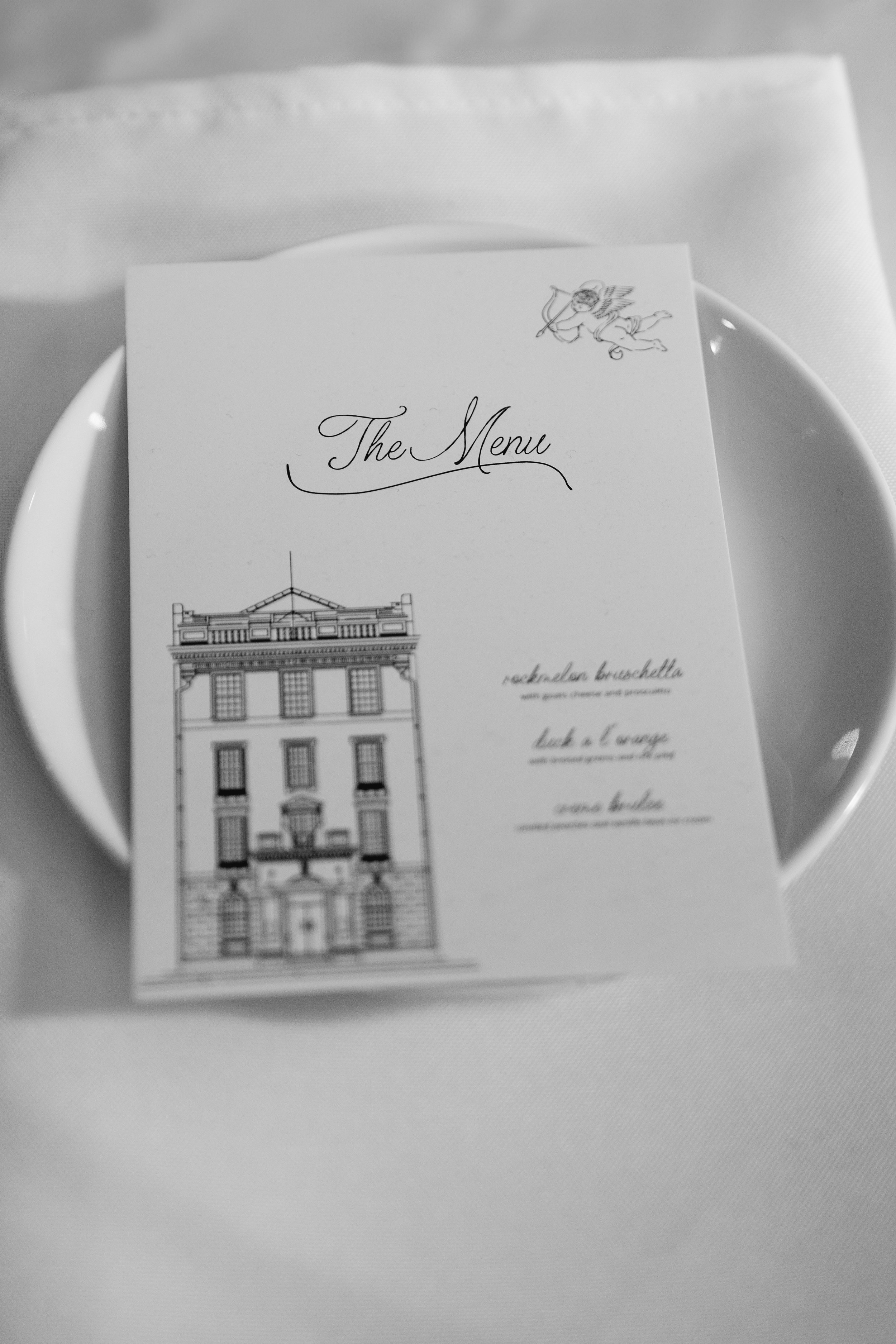
Menu design by Hitch Perfect for The Inchcolm Hotel.
Wedding stationery is one of those things couples often underestimate.
It starts with excitement over save the dates and invitations, then suddenly it is three weeks out and you are realising you still need place cards, a seating plan, menus, signage and about six other things no one warned you about.
As a wedding planner, this is one of the most common areas where I see stress creep in late in the planning process. Not because couples do not care, but because no one has laid it out clearly for them.
So let’s fix that.
This guide breaks down exactly what wedding stationery and signs you need, what is optional, and how to plan it all in a way that feels intentional rather than overwhelming.
Wedding Stationery vs Wedding Signage – What’s the Difference?
Before we dive in, it helps to clarify the distinction.
Wedding stationery is a blanket term that refers to all ‘paper’ goods that are either sent to guests or placed amongst the wedding at various points. Think invitations, menus and place cards.
Wedding signage, specifically, refers to larger-format printed pieces designed to guide guests through the day such as welcome signs, seating charts and bar signs.
Both play an important role in how your wedding looks, feels and functions.
1. Pre-Wedding Stationery – What You Need Before the Day
These are the pieces guests interact with before they even arrive at your wedding.
Save the Dates (Optional)
Save the dates are not essential, but they are highly recommended if:
You are planning a destination wedding
Your date falls during peak holiday periods
Many guests are travelling
They can be printed or digital, but should be sent around 8 to 12 months out.
Wedding Invitations (Essential)
Your invitations set the tone for your entire wedding. They communicate not just information, but formality, style and expectation.
At a minimum, invitations should include:
Names
Date and time
Ceremony and reception location
RSVP instructions
Optional inclusions:
Details card
Dress code
Wedding website
Invitations are typically sent 3 months before the wedding. I always recommend an RSVP date of 6 weeks before the wedding - this ensures you’re not cutting it too fine to the actual cut off date for headcount based services such as catering and furniture hire. Trigger warning: you will have to chase people up!
2. Ceremony Signage – What Guests See First
Ceremony signage helps guests feel welcomed and confident about where they are meant to be.
Welcome Sign (Highly Recommended)
A welcome sign sets the tone as soon as guests arrive. It is one of the most photographed signage pieces and anchors your styling visually.
Common wording includes:
Welcome to the wedding of…
Names and date
Optional short line or quote
Order of Ceremony or Unplugged Sign (Optional)
These signs are helpful if:
You are asking guests not to use phones
Your ceremony structure is unique
You want to avoid printed ceremony programs
They are optional, but very effective when done well. The alternative is to have your celebrant deliver a ‘housekeeping’ message before the processional starts.
3. Reception Stationery and Signs – The Most Forgotten Category
This is where couples are most likely to miss things. These items are functional, but they also elevate the guest experience significantly.
Seating Chart (Essential if Assigned Seating)
If you are assigning seats, you need a seating chart. Escort cards or a large-format sign both work, but clarity is key. Without one, guests will hover awkwardly, trying to locate their names amongst a sea of chairs and the flow into the reception will stall.
Table Numbers or Names (Essential)
Every table needs to be clearly identified so guests can find their seats easily. These should align stylistically with your overall design.
Place Cards (Optional but Polished)
Place cards are not technically essential, but they add a refined, considered touch and remove any confusion at the table. These are particularly important if you’re having a large wedding.
They are especially useful for:
Formal receptions
Dietary requirements
Long tables
Menus (Optional)
Menus are a beautiful styling layer and help guests understand what to expect, especially for shared or alternate drop meals. They are not required, but they elevate the tablescape instantly. Many couples choose to combine their place cards and menus, having guest names printed at the top of the menu. Tip: keep in mind where these will be going during dinner service - you don’t want menus so large that they end up strewn amongst the middle of the tablescape, making things look messy!
4. Bar and Guest Experience Signage
These signs improve flow and reduce questions throughout the night. A point to remember: guests will remember if they were confused about where to go.
Bar Sign (Recommended)
A bar sign lets guests know:
What drinks are available
Whether it is an open bar or limited selection
Signature cocktails
This reduces bottlenecks and keeps service smooth.
Guest Book or Wishing Well Sign (Optional)
If you are including a guest book or wishing well, signage gently guides guests without awkward announcements.
5. Extra Signs You Might Not Need (But Often See)
Not every wedding needs every sign. There are many that you may not have a need for, such as ceremony reserved seating signs, ‘in memory of…’ signs, and those ‘sip and solve’ games you often see at garden weddings.
You can absolutely skip:
Excessive quote signs
Multiple directional signs at small venues
Signs that repeat obvious information
Signs that look nice on their own but don’t tie in to functionality or overall aesthetic
A well-planned wedding prioritises clarity over clutter.
6. Printing - Where To Go
Many couples these days engage a stationer, who will provide a full service from design through to print - and I can’t recommend this enough. However, depending on your priorities and budget, you may be looking to DIY some or all of your stationery.
There are some great options to ensure you’re getting a good quality product without the design fees:
Etsy for acrylic and laser cut pieces
Tee up a friend with a Cricut for items like fabric or mirror signage
Utilise professional printing companies that sell to the public, such as Peterkin
Go through your wedding planner - we have great connections!
How to Decide What You Actually Need
When deciding on stationery and signage, ask yourself:
Does this help guests feel informed or comfortable?
Does this add to the aesthetic or just add noise?
Is this something guests will interact with?
If the answer is no to all three, you can likely skip it.
Common Wedding Stationery Mistakes I See (Often!)
Forgetting to order signage early enough
Designing pieces without knowing final numbers (such as seating chart!)
Mixing too many fonts and styles
Not considering how signage will be displayed on the day
Ordering invitations per person, not per household
This is where having a planner or clear checklist makes a huge difference.
A Simple Wedding Stationery Checklist - Without the Frills
Before the wedding
Save the dates
Invitations
RSVP cards or digital system
Ceremony
Welcome sign
Optional ceremony sign
Reception
Seating chart
Table numbers
Place cards
Menus
Bar sign
Guest book or wishing well sign
Final Thoughts
Wedding stationery and signs are not just decorative. They guide your guests, support the flow of the day and quietly elevate the entire experience.
The key is not having more, but having the right pieces, planned early and executed with intention.
If you are feeling unsure about what you need, when to order it or how to tie it all together stylistically, this is exactly where expert planning support removes stress and ensures nothing is forgotten.